
News
International Trauma Conference: A global exchange of ideas
On 14 to 15 November, the Tavistock Trauma Service in London in collaboration with the South Africa Psychoanalytic Clinics in Johannesburg hosted the first International Psychoanalytic Trauma Conference. This two-day online event brought together professionals from across the world to share knowledge and approaches to trauma therapy.
Delegates joined from countries including Peru, Iran, Greece, Chile, the United States, and the United Kingdom. The aim was to create a space for discussion and learning about how trauma affects people and how psychoanalytic ideas can help in treatment. The atmosphere was electric, charged with curiosity, compassion, and a hunger for understanding.
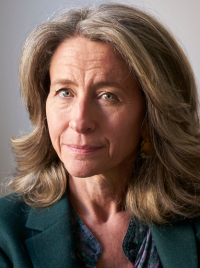
The conference opened with Jo Stubley, Head of the Trauma Service at Tavistock and Portman, and Sue Levy from the South African Psychoanalytic Association. Keynote speakers included the Tavistock and Portman’s Gail Lewis and Alessandra Lemma, who presented talks that explored the psychological and social dimensions of trauma.
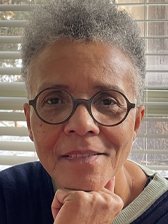
Participants described these sessions as inspirational, even transformative, and described emerging from the sessions “energised,” “moved,” and “thinking differently.” In addition to lectures, the programme included group discussions, clinical case sessions, and creative activities that were helpful for understanding complex issues. These elements encouraged participants to think about trauma from different perspectives – both theoretical and practical.
Organising an international online event is challenging, but Tim Mills and Max Fendrich from Tavistock and Portman managed the process effectively. Feedback from attendees highlighted the value of the conference for professional learning and for building connections between clinicians worldwide.
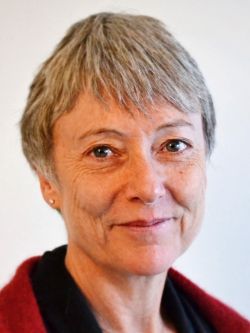
Jo Stubley said, “This conference brought clinicians from all over the world together to share ideas and experiences. It showed the power of connection and collaboration, especially in uncertain times. By learning from each other, we don’t just share knowledge – we open up new ways to understand trauma and to give care that really makes a difference.”
One participant described it as “an outstanding learning experience… deeply engaging, humanising… innovative and radical.” Another called it “truly outstanding – thought-provoking, clinically grounded, and deeply humane,” adding that it strengthened their clinical practice and fostered “a real sense of international community”.
This event is expected to be the first of many. Plans for future conferences suggest that this could become a regular opportunity for international collaboration in psychoanalytic trauma work.
Aruna Mehta, Chair of the Tavistock and Portman NHS Foundation Trust, commented, “This conference demonstrates the role of the Tavistock and Portman as an ideas leader on the global stage. It is fantastic that our Trauma Service are taking a lead in this way. It really showcases the importance of what we do and the way we do things here.”