News
Art exhibition: John Roper, “And the Coronation will be Televised”
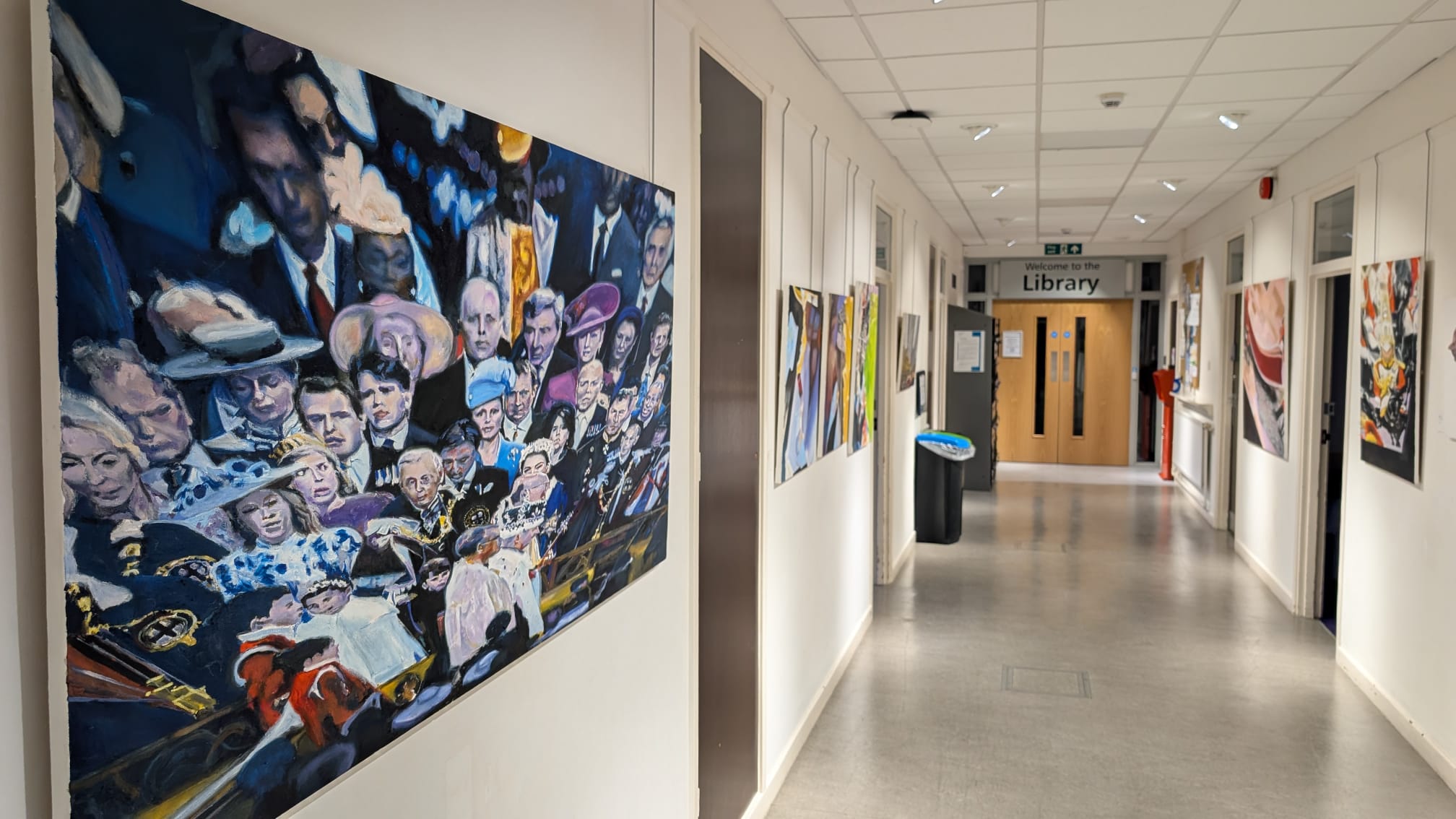
A photography exhibition ‘And the Coronation will be Televised’ by John Roper, is on display at the Tavistock Centre until Thursday 5 February 2026.
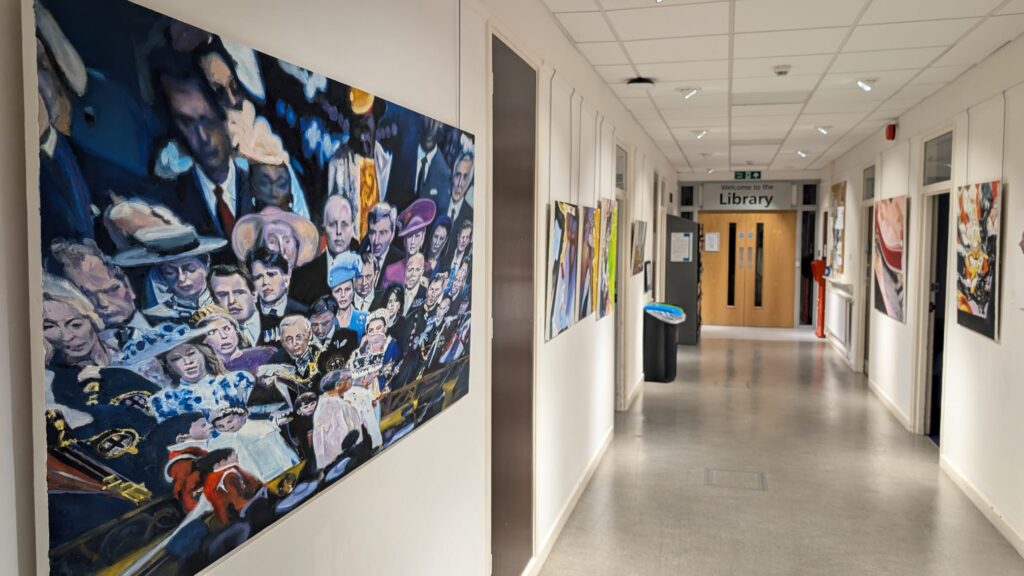
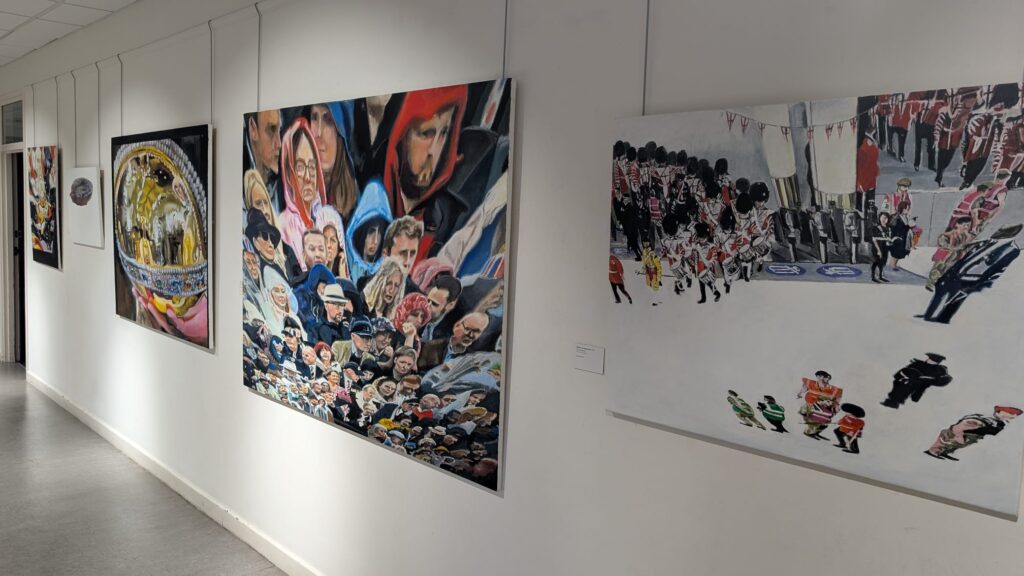
John’s exhibition looks at how television images shape what we think is important. He photographs TV screens up close and from odd angles, then turns those photos into slow, careful oil paintings. The paintings shift the perspective, making small things feel large, and letting us see the edges and margins of what is shown on screen.
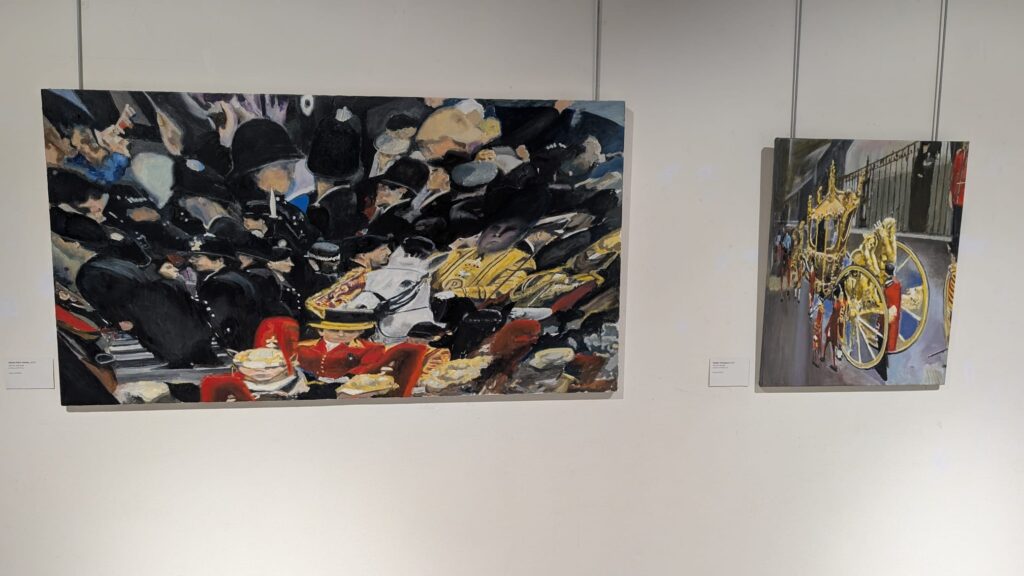
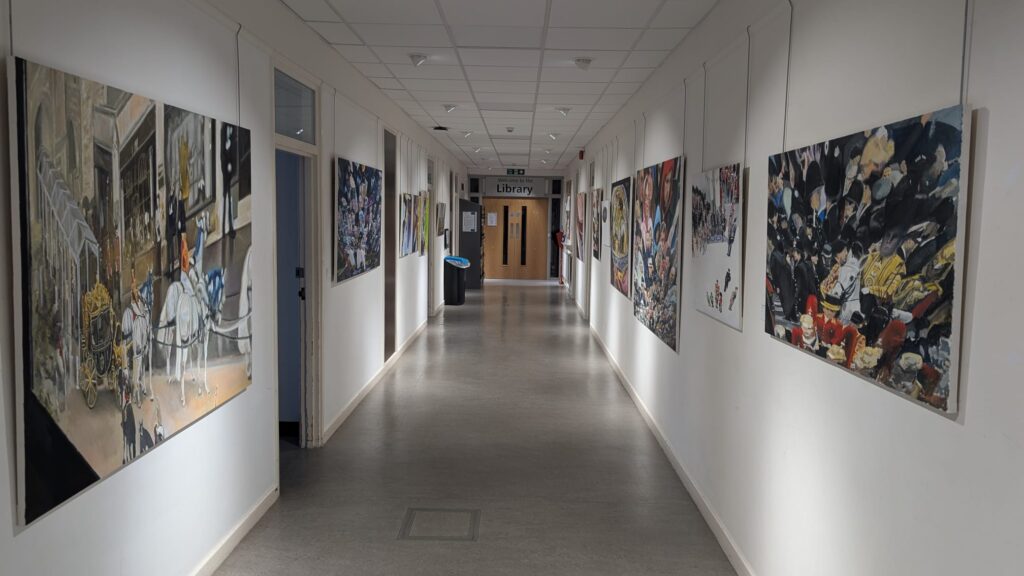
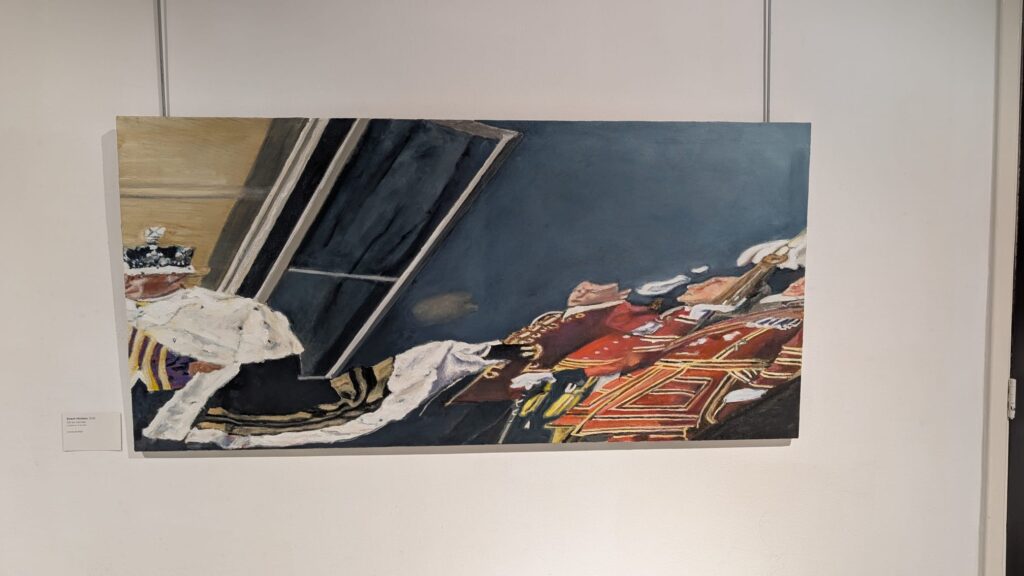
Having studied fine art at the then Ravensbourne College in the 1980s, followed by a MA at Goldsmiths University, John has displayed his work at the Mall Galleries and Riverside Studios. After working as a carpenter for about 30 years, he returned to painting in 2023 and now makes paintings that respond to photography.
This exhibition is a chance to see how art can make us think about media and memory. It mixes photography and painting, and it shows how an artist can use everyday images; like a TV screen: to make new, thoughtful art.
An interview with the artist
How did you find getting back into painting after a 30-year break? Did you come across any obstacles?
Yes, I did, some of the paintings seemed to paint themselves very quickly but others involved struggle. For example, the crowd scenes have dozens of portrait heads, Un-Titled took me 3 months to get right but it taught me a lot about my painting technique.
It all became quite technical. Because of my decision to faithfully recreate my photographs of the TV in oils, I couldn’t alter anything to improve the composition. But it was just so enjoyable to be painting again. I found that my working processes had their own momentum and the ideas arrived rapidly once I started making things.
You captured the scenes from a distorted angle to manipulate the proportions. Did you set out to do it this way or was it accidental?
It was accidental. To get closer to an image on the TV, I took a photograph from the side and saw that it had an interesting effect. I saw a strange world of reversals in perspective, and these seemed to suggest an added layer of meaning.
What does exhibiting your work in the NHS setting mean to you?
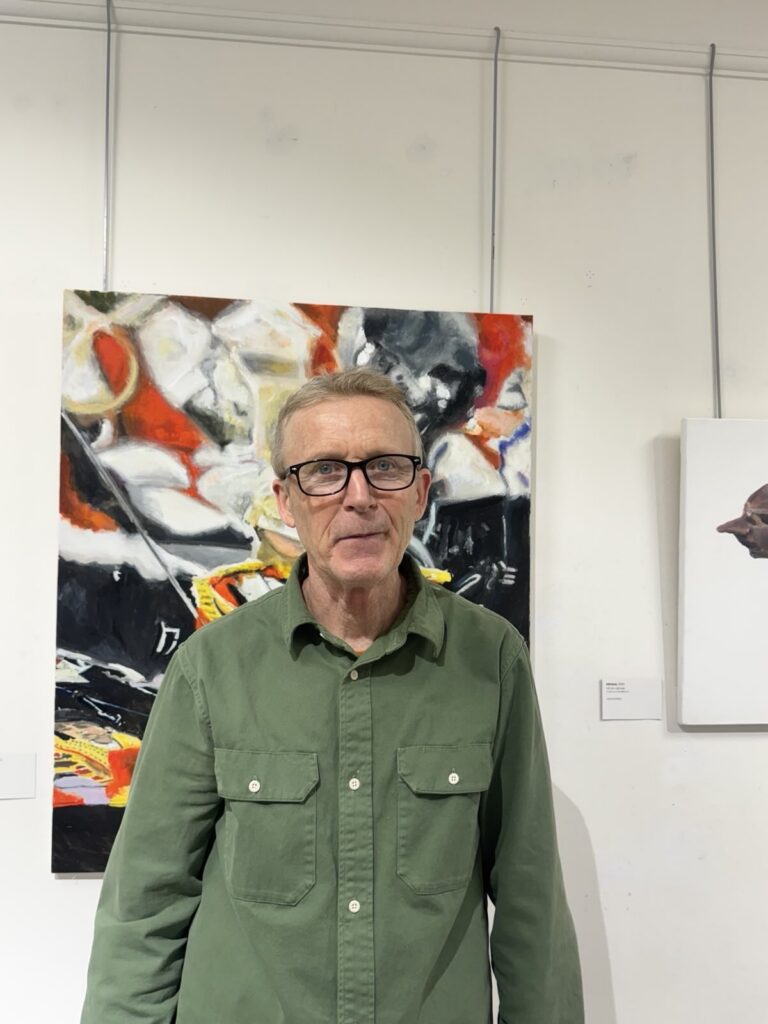
I feel grateful to have the chance to show my paintings here alongside the Tavi’s excellent collection. You have a unique and specialist understanding of images and what they might mean so it’s a very important place to exhibit. I’ve really enjoyed all aspects of it.
Do you have any artistic plans for the new year? New paintings, exhibitions?
I’m currently looking for another venue to show this series. Recently, I’ve been making exploratory drawings to find the next direction for my work.
Senior Lecturer and Assessment Lead Lydia Hartland-Rowe was instrumental in making this exhibition happen and hosting a successful private view. Lydia said, “The art on the Tavi walls has always been a source of interest for me – some paintings, like the lion in the bath on the main stairway, have felt like part of my visual library for a very long time. Often the work on display links with the work we do, possibly more often connecting with our interest in the mind of the individual or the family – and yet we have such a strong history here of thinking about and offering new perspectives on groups, on organisations and on society.
“So, when I saw John’s paintings, I was really excited to see the way that they offered a distorted view that made big people small, small people big, and really played with the absurdity, beauty, exclusion and privilege of aspects of history. I also see connections with a struggle we have all the time at the Tavi – how to value and make use of our frameworks for thinking and their history, and make room for the new. And here we have the old tradition of oil painting, used in conjunction with newer technologies to create something different.
“Finally, I love the wit of the titles, the way that something that looks like one thing can instantly be seen in a more subversive light with just a few words. Learning and working at the Tavistock offers a really rare opportunity to look beyond the obvious, and find opportunities to make changes, personal and interpersonal, so these paintings, especially coming after a long period of not painting (but always looking), speak to that experience.”
Art at the Tavistock and Portman
Art is an important feature of the Tavistock and Portman. We believe that the artworks in our buildings help to humanise what is essentially a clinical space, making it more friendly and welcoming. The arts can make a powerful contribution to health and well-being for both physical and mental health. Research has demonstrated the benefits of the arts in healthcare in hospitals and other healthcare setting and a Department of Health working group on the impact of arts on health found that the arts have ‘a clear contribution to make and offer major opportunities in the delivery of better health, wellbeing and improved experience for patients, service users and staff alike’.
Art at the Tavistock and Portman
Wander around the hallways of the Tavistock Centre and you will see works of art hanging along every corridor and bold stabs of colour in our public spaces.