
News
90 Years of research at the Tavistock and Portman
This year marks 90 years since the Tavistock and Portman began formal research – a tradition that continues to shape mental health care worldwide.
Founded in 1920 by Dr Hugh Crichton-Miller, the Tavistock Clinic was built on the belief that therapy, teaching, and research should work hand in hand. In 1935, that vision took a major step forward when we secured fellowships from the Rockefeller Foundation and the Sir Halley Stewart Trust. These grants funded pioneering studies into the psychosomatic method – exploring how mind and body interact in illness. Dr A.T.M. Wilson and Dr Eric Wittkower’s work showed that emotional factors could influence physical disease, laying the foundations for today’s integrated approaches to health.
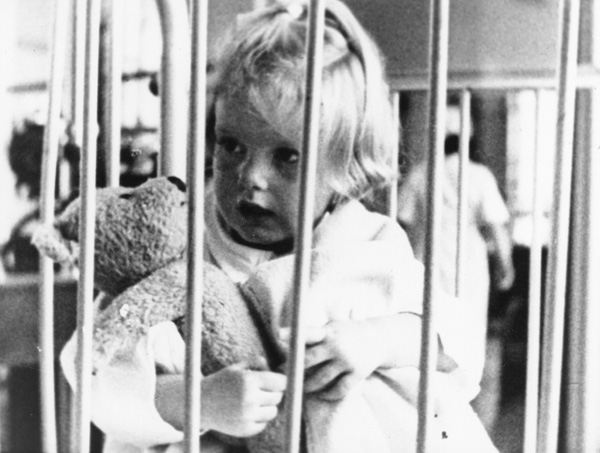
Since then, research has remained central to the Tavistock and Portman’s mission. One of its most influential contributions was Attachment Theory, developed by John Bowlby and colleagues. This groundbreaking work transformed psychological thinking and changed NHS policy on childcare, famously illustrated by James Robertson’s film A Two-Year-Old Goes to Hospital. Attachment theory continues to inform research in neurobiology and developmental psychology.
We also pioneered Infant Observation, introduced by Esther Bick as a core training method for child psychotherapy and social work. This approach mapped developmental stages over decades and remains a cornerstone of psychotherapeutic training worldwide. Find out more about our current Infant Observation and the Infant Observation Research Tool.
In adult mental health, the Tavistock Adult Depression Study (TADS) broke new ground. This large-scale trial demonstrated that psychoanalytic psychotherapy can be as effective as medication for treatment-resistant depression, strengthening the evidence base for talking therapies.
Find out more about TADS.
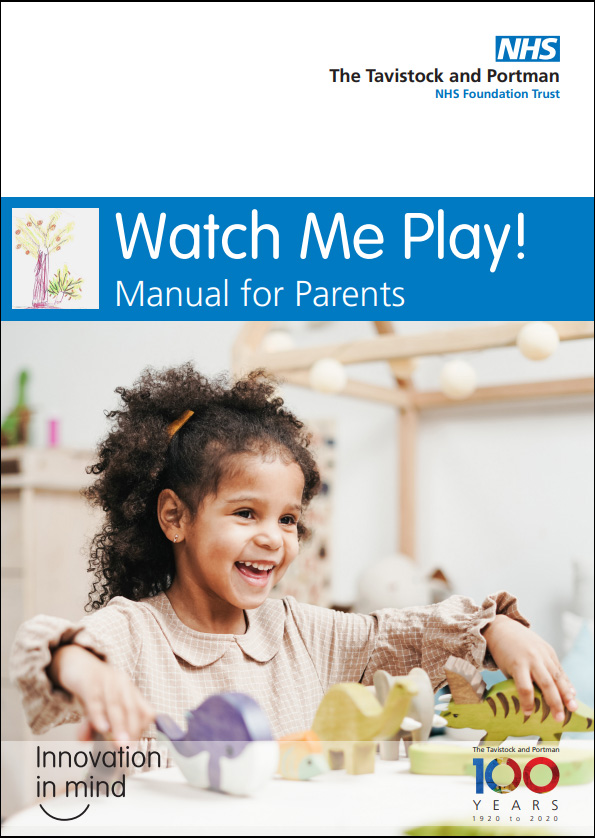
Family and systemic therapy research has also flourished. The Trust’s Systemic Research Centre produces reviews and outcome studies that inform NICE guidelines and influence commissioning standards. Similarly, innovative projects like Watch Me Play!, with research conducted in partnership with Cardiff University, promote resilience in early childhood through simple, cost-effective interventions – with large-scale trials now underway.
Beyond therapy, the Tavistock tradition has shaped thinking on organisational dynamics, socio-technical systems, and group relations, influencing health and social care globally.
The Portman Clinic, founded in 1933, has led research into forensic psychotherapy and the treatment of criminal and antisocial behaviour. From Grace Pailthorpe’s early studies of women prisoners to today’s work on mentalisation-based treatment for violent offenders, the Portman continues to innovate. Its research spans forensic group psychotherapy, adaptations of psychodynamic treatments, and specialised clinical databases that inform practice across offender treatment services. The results of its research into mentalisation based treatment was recently featured in The Lancet.
Ninety years on, the Tavistock and Portman remains a hub of curiosity and innovation. From infant observation to cutting-edge studies on depression, trauma, and forensic psychotherapy, our research continues to connect mind, body, and society – shaping care for generations to come.
Find out more about our current research on our website.
Check back regularly to see the latest news on our research.